LIFE ECOREST
FROM SCIENCE TO ACTIONLIFE ECOREST PROGRAMME 2026
RESEARCH
Oceanographic research campaigns will be carried out in each exclusion zone and in nearby fishing grounds to study habitat-forming species and identify restoration areas.
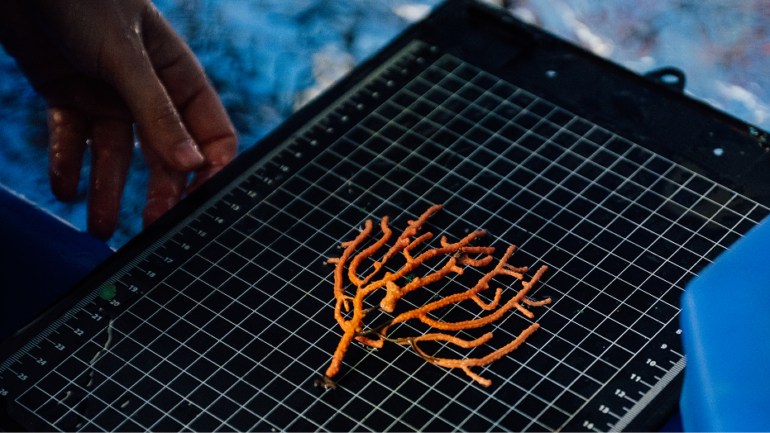
Image source: Marion Pyr.
CONSERVATION
The project is focused on the preservation of gorgonians, corals, sponges, and other habitat-forming sessile organisms that are accidentally caught through fishing activities.
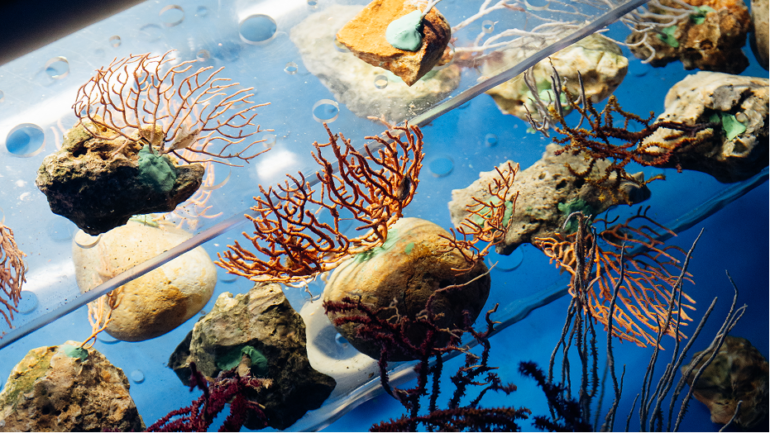
Image source: Marion Pyr.
PARTICIPATION, TRAINING AND GOVERNANCE
Participatory processes will be promoted to create an environment of trust and ensure the integration of all stakeholders involved.
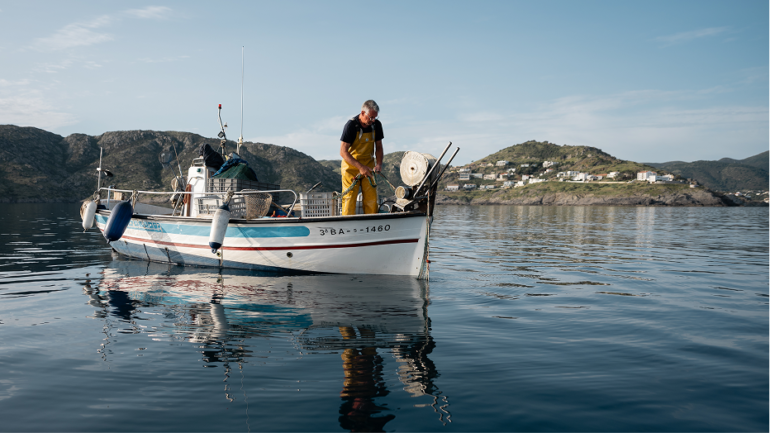
Image source: Marion Pyr.
OUTREACH, EDUCATION AND RESULTS
Scientific articles will be published, and participation in conferences and workshops will help transfer knowledge and replicate these actions in other protected areas.
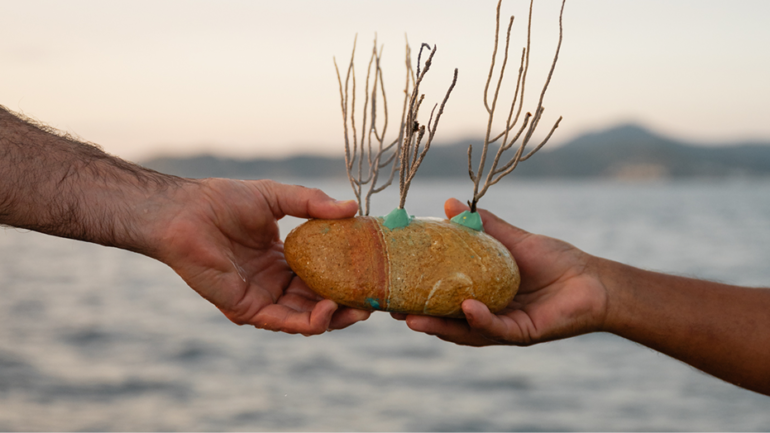
Image source: Marion Pyr.
WHERE?
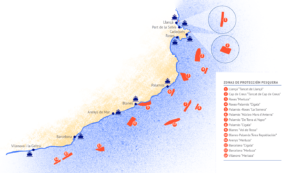
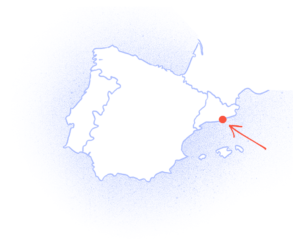
The 29,022 hectares planned for restoration are distributed across 14 fisheries protection zones along the coasts of Girona and Barcelona.
An area with a high concentration of endangered, threatened, and vulnerable species, including gorgonians, black corals and scleractinians, sea pens, and several species of sponges.
IN PARTNERSHIP WITH:
The Institute of Marine Sciences (ICM-CSIC) coordinates the LIFE ECOREST project, in partnership with the Federation of Fishermen’s Guilds of Girona, the Fundación Biodiversidad of the Ministry for the Ecological Transition and the Demographic Challenge, the University of Barcelona, and WWF Spain, with financial support from the LIFE Programme of the European Union.